Do you actually need a car in Athens?
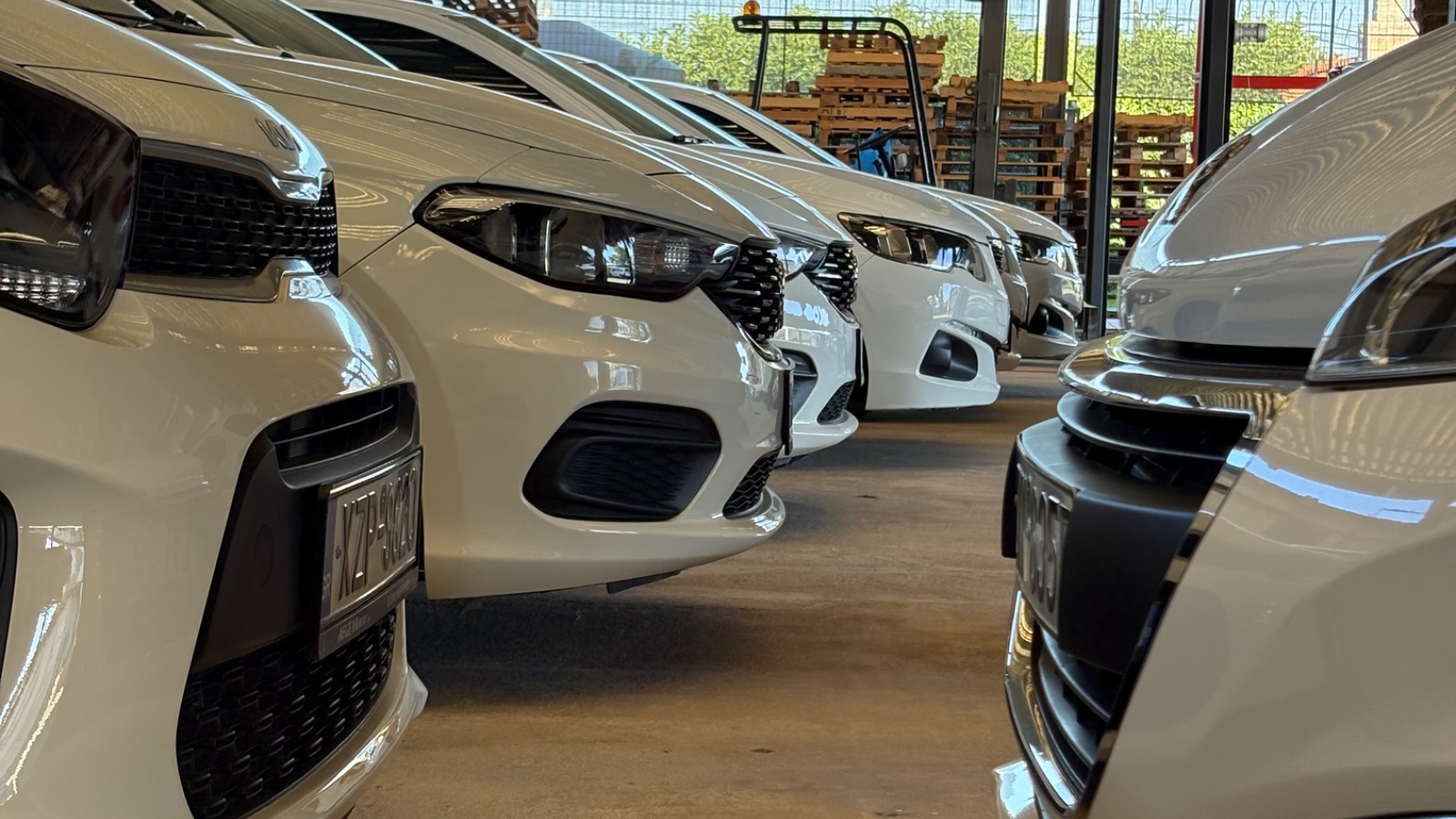
Most car rental companies will tell you that you need a car. We rent cars for a living, and we are going to tell you that for central Athens, you probably do not.
Here is the honest version.
In the city, the metro wins
Athens has a clean, fast metro that reaches the airport, Piraeus, Syntagma and Monastiraki. The historic centre — the Acropolis, Plaka, the Agora, the museums — is walkable and largely closed to traffic anyway. Add to that a controlled parking system in the central ring, narrow streets built long before anyone imagined an SUV, and the simple fact that a car parked outside your hotel is a car you are paying for and not using.
If your whole trip is the Acropolis, a couple of museums and eating well, you do not need us. We would rather tell you that than take your money.
Outside the city, everything changes
Attica is bigger than most visitors expect, and the good parts are the parts the bus does not reach on your schedule.
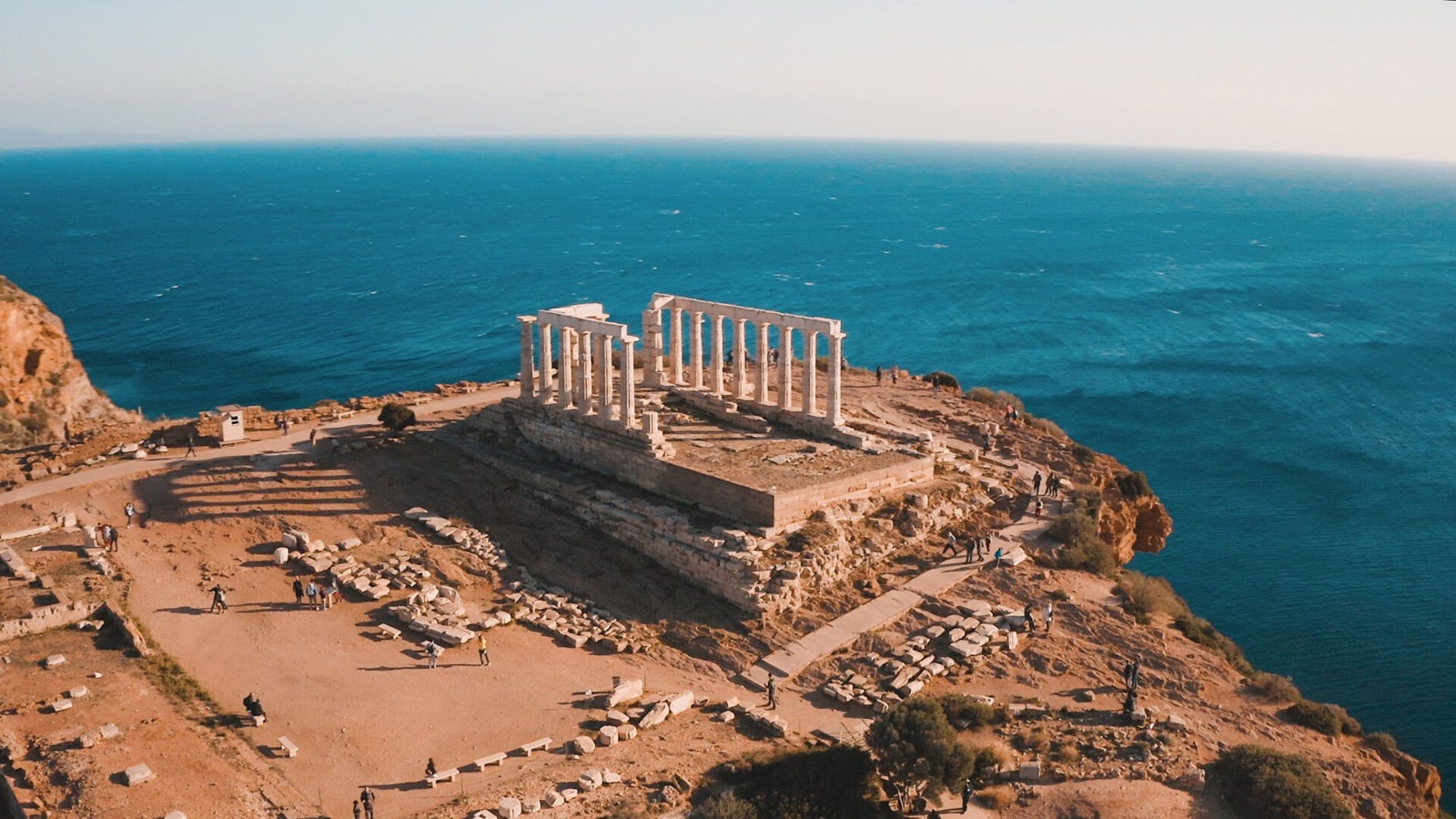
Cape Sounio and the Temple of Poseidon are about an hour and a half down the coast. There is a bus. There is also a coast road that runs beside the water most of the way, and the difference between those two experiences is the entire point of renting a car.
The Athens Riviera — Glyfada, Vouliagmeni, Varkiza — is a string of swimming spots that are trivial with a car and tedious without one. Lake Vouliagmeni, the coves past Varkiza, the beach bars that are lovely at six in the evening and impossible to leave at eleven when the last bus has gone.
Marathon, Rafina, the north coast. Ancient sites with nobody at them, fish tavernas where the boats land, and roads that take twenty minutes instead of two changes and an hour of waiting.
The mountains. Parnitha and Penteli are half an hour from the traffic and feel like a different country.
The ferry question
If your trip includes islands, think about the direction of travel. Taking a car onto a ferry costs real money and is rarely worth it for a short hop — most islands have their own rental cars waiting at the port. What a car is genuinely good for is the mainland leg: getting to Rafina or Lavrio for a 7am sailing without arranging a taxi the night before, or driving up to Delphi and Meteora afterwards.
Lavrio in particular is awkward by public transport and easy by car, which is why we keep cars there.
So: the honest rule
Renting a car for the days you are in central Athens is usually money spent on parking. Renting one for the days you leave it is the difference between seeing Attica and seeing a bus timetable.
A lot of our customers do exactly that — city first on foot and the metro, then pick up a car for the second half of the trip. That is why we have no minimum rental period worth speaking of and why cancelling is free: plans that sensible should not be punished.
A few practical notes
- Fuel is sold by the litre and stations are plentiful outside the centre; many are full-service, so it is normal for someone to come to your window.
- Tolls apply on the national roads heading out of Attica. Keep some coins or a card handy.
- Parking in the central ring is controlled. Outside it, and everywhere along the coast, it is straightforward.
- Driving style is more assertive than in northern Europe and calmer than its reputation. Leave a gap, indicate late, and you will fit right in.
If you are still unsure, call us. We will ask where you are staying and what you want to see, and if the answer is "you do not need a car for that", we will say so.